{ {post_title}}
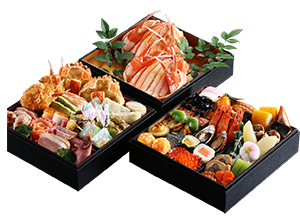
We bring you seasonal crab straight from the autumn sea.
The Sea Enters the Season of Flavors
In November, Matsuba crab is also in season
The Okukinosaki Seaside Hotel, nestled along the beautiful Takeno coastline.
From fall through spring, the Sea of Japan right before our eyes enters crab season.
We offer four varieties of crab at our hotel.
Please choose the plan that best suits your budget and the purpose of your trip.
Why are there four types?
“Which crab should I choose?”
This is the question we get asked most often.
Even among crabs, the taste and price vary depending on the species.
From a celebratory meal to a dish shared with the family.
We offer four varieties so you can choose the one that’s right for you.
| Land Crab | Matsuba Crab | Kasumi Crab | Snow Crab | |
| Species | Authentic Snow Crab | Authentic Snow Crab | Red Snow Crab | Authentic Snow Crab |
| Origin | San’in Region (Tsuyama Port, Shibayama Port) | Kasumi Port and Shibayama Port | Kasumi Port | From Russia and Canada |
| Condition | Live, Tagged | Frozen and Tagged | Tagged | Frozen |
| Texture | Overwhelmingly plump flesh and rich umami flavor | A firm texture and the deep flavor unique to domestic Honsuwai crab | Juicy and tender / Sweetness | Meat Density and Satisfying Bite |
| Fishing Season | November–March | November–March | September–May | Year-round |
| For those who | For special occasions—a once-in-a-lifetime treat, the ultimate in luxury | Matsuba crab at an affordable price | For those who want to enjoy its sweetness and abundance throughout the long season | For a casual, hearty meal with the whole family |
| Reservations | Standard Plan | Standard Plan | Standard Plan | Standard Plan |
-
— Land Crab
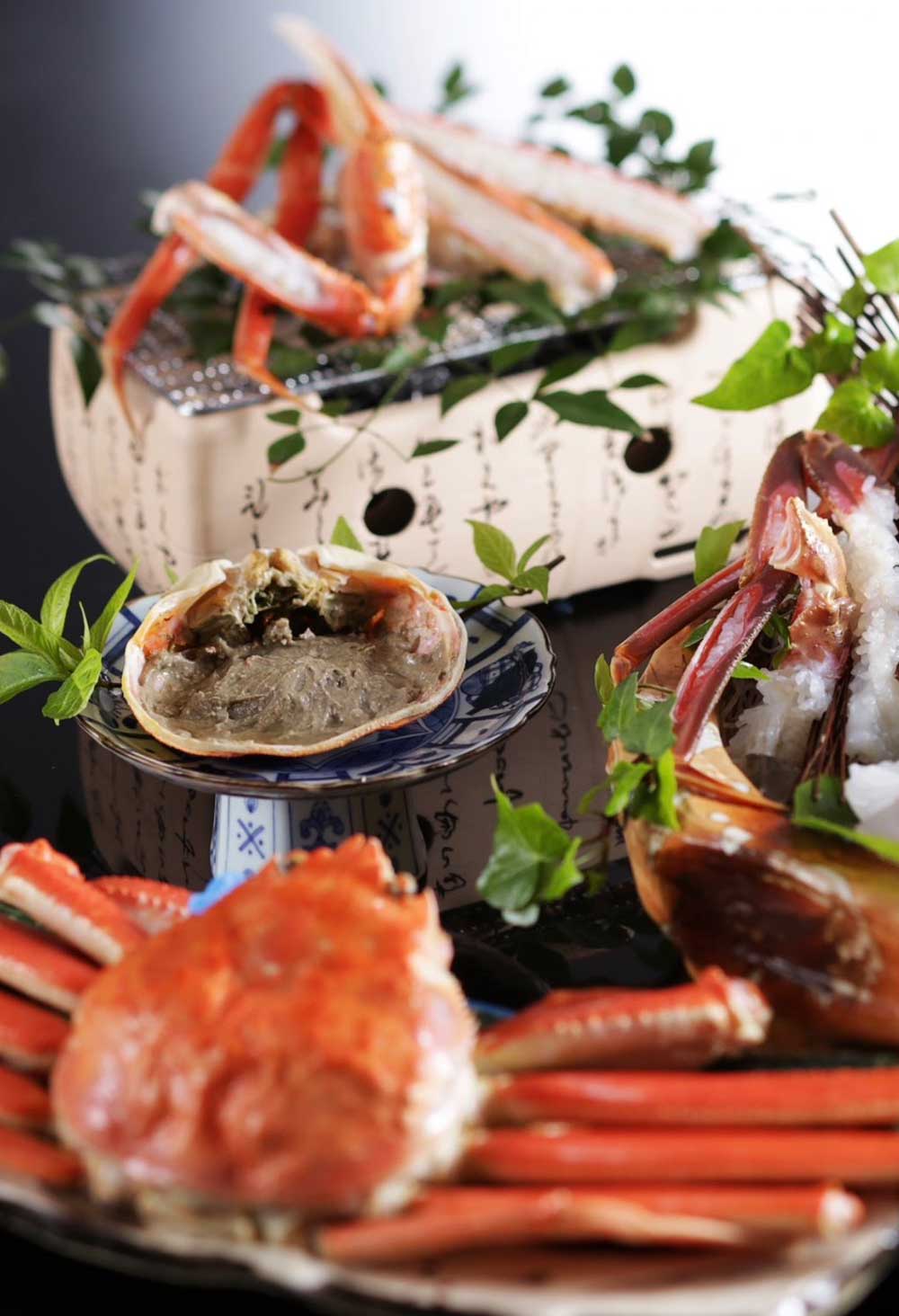
—straight from the sea to your table.Among the genuine snow crabs caught in the waters off the San’in region, those landed at Tsuyama Port and Shibayama Port are called “local crabs.” These are the crabs caught in the waters closest to our inn.
Since the fishing is done as a day trip and the crabs are brought back to port the same day, they are landed while still alive.
Each crab is tagged with the name of its port—Tsuyama or Shibayama—so you can tell exactly which stretch of ocean each one came from.
Only live crabs possess this overwhelmingly plump meat. A rich, savory flavor rises from the densely packed flesh.
The catch is limited. It all depends on the sea conditions and the day’s catch. Even in the same winter, there are days when you might not be able to find them.
The fishing season runs from the opening on November 6 through March.
Treat yourself to a once-in-a-lifetime crab for a special occasion.
This crab is the star of the winter season. -
— Matsuba Crab
Bring the taste of winter to your doorstep at
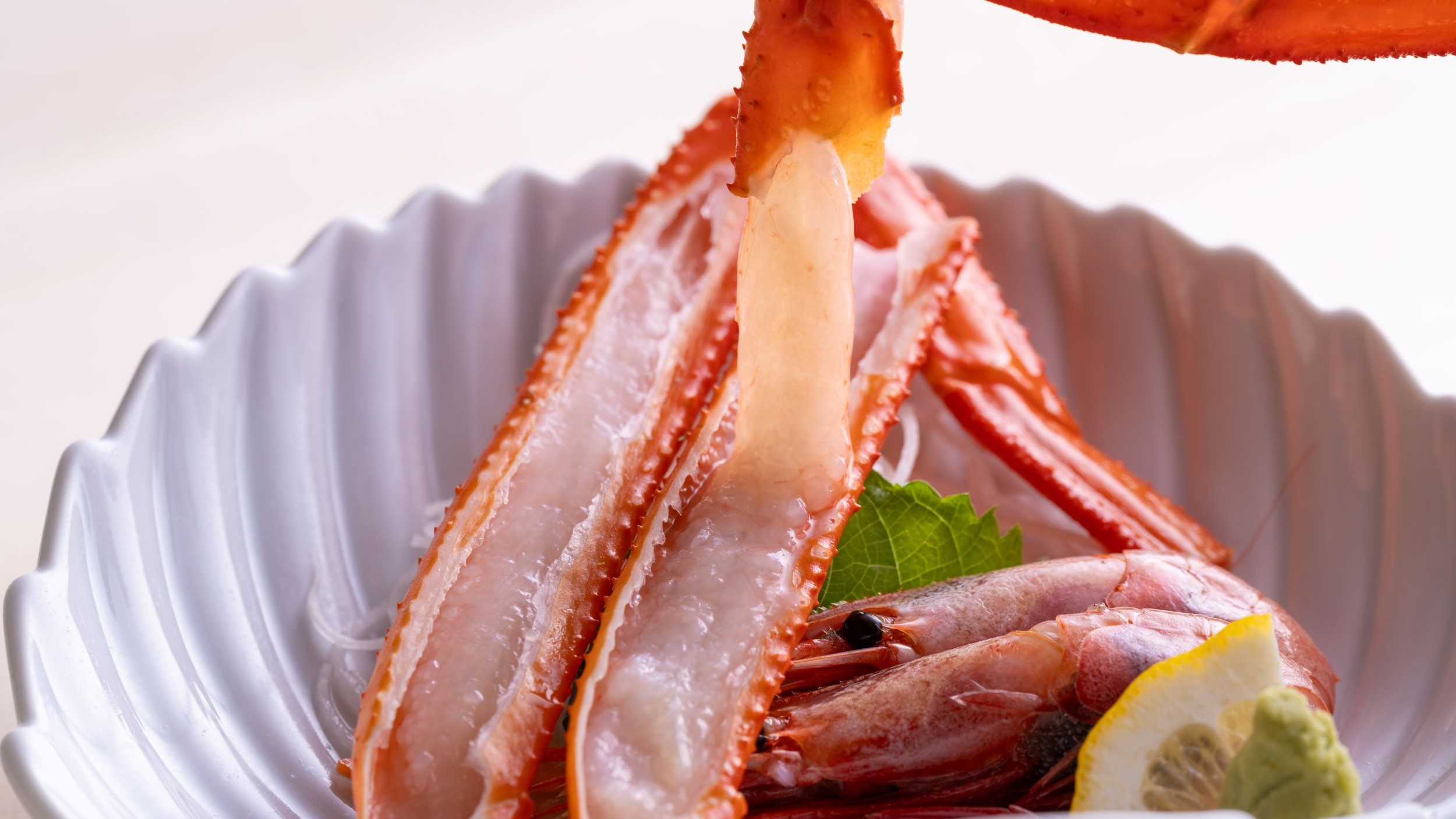
.Male Japanese snow crabs landed in the San’in region are called Matsuba Crabs. “Jigani” crabs are essentially the same species. They are tagged in the same way.
This is proof that they were landed at a port in the San’in region and are domestically sourced.
There are two main differences between these and “Jigani.”One is the condition. While “Jigani” arrives at the port still alive, this variety is served frozen.
The other is the composition of the course.
The Matsuba Crab Course is not a full-course meal where Matsuba Crab is used in every dish. For some dishes, we use frozen snow crab from Canada.This allows us to keep the price more affordable. “I’d love to try Matsuba crab at least once, but it’s just too expensive.”
We’ve prepared this menu specifically for those who feel that way.
It retains the rich, deep flavor unique to authentic Japanese snow crab.
The fishing season runs from November to March, just like for local crabs.
-
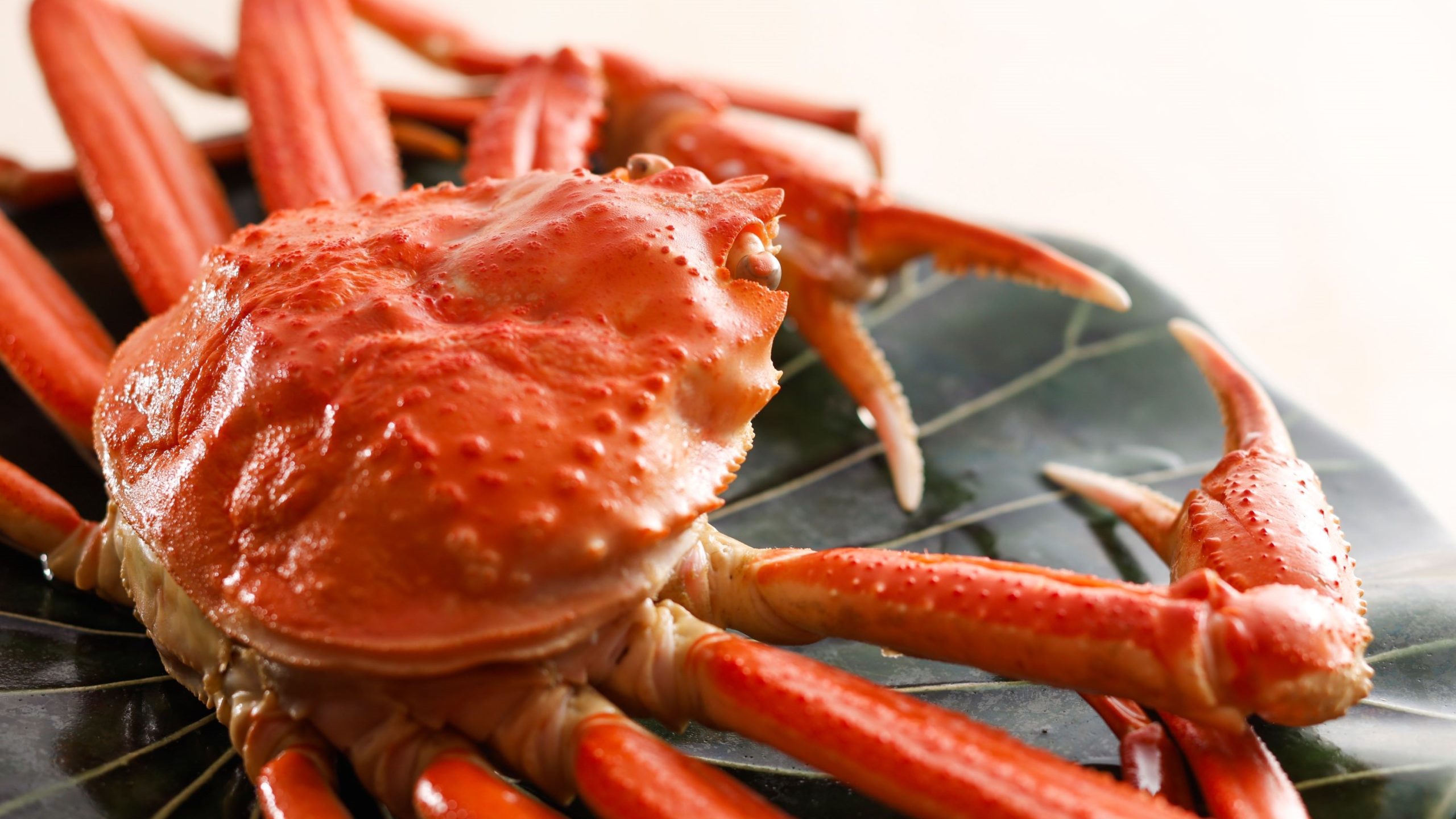
— Kasumi Crab
Shipped directly from Kasumi Port.
Domestic snow crabs, tagged and landed at Kasumi Port.
At our facility, we refer to them as “Kasumi Crabs,” named after the port where they are landed.The tags attached to each crab serve as proof that they were landed at Kasumi Port.
Kasumi Port is the only place in Hyogo Prefecture where this crab is landed.In recent years, it has been featured more frequently in the media.
It inhabits the cold, deep ocean at depths exceeding 800 meters.
Because it grows in the nutrient-rich deep sea, it develops a strong sweetness.The meat has a juicy and tender texture.
The moisture-rich flesh falls apart effortlessly.The fishing season runs from September through the end of May.
You can enjoy this delicacy throughout the long season from fall through spring. -
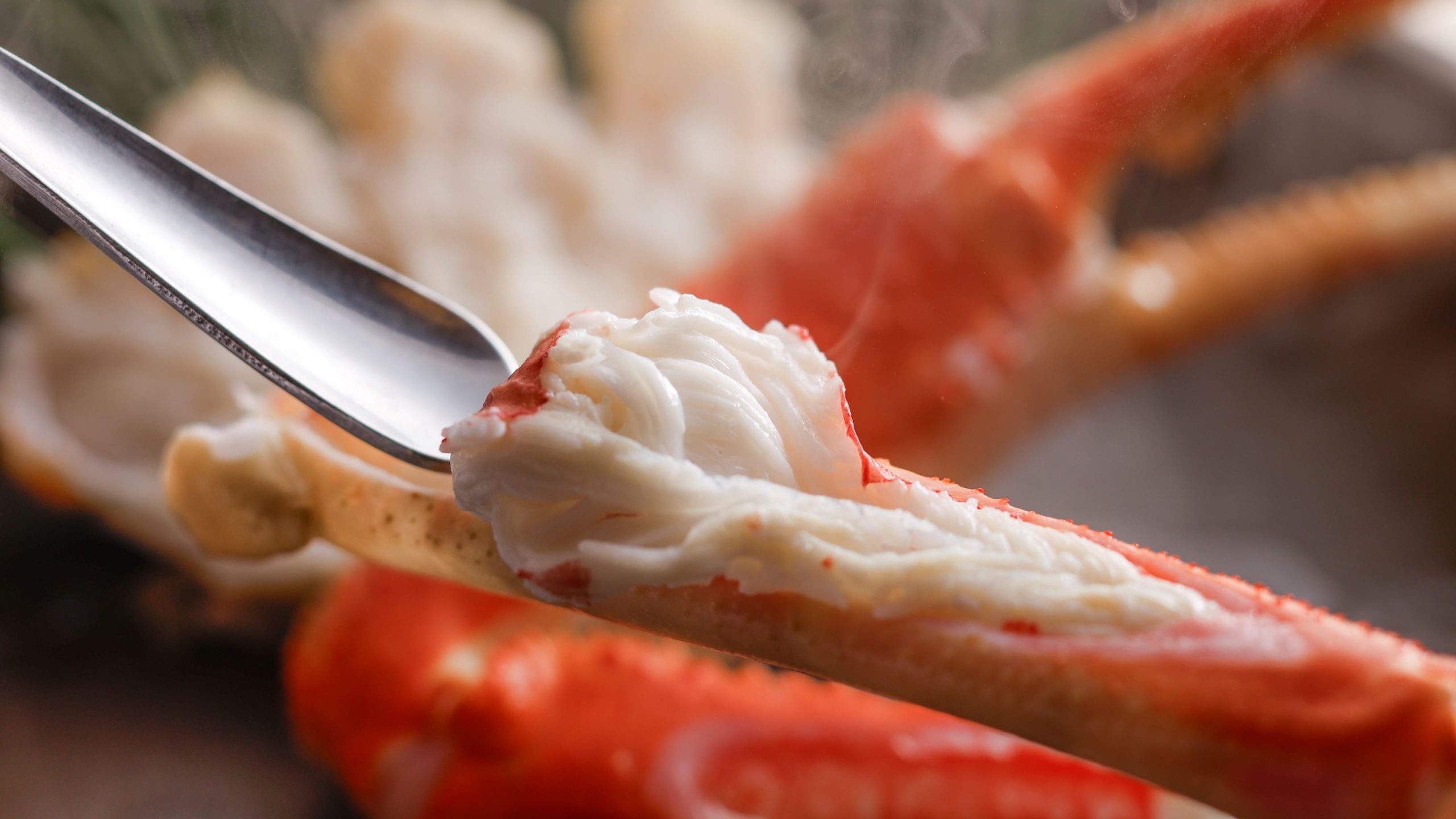
— Snow Crab
The winter sea,
all on one plate.This is frozen snow crab from Canada. It is the same true snow crab as Japan’s domestic Matsuba crab, frozen immediately after being landed locally and shipped to Japan.
The reason we chose it is the quantity.
With live Japanese snow crab, the price per crab inevitably goes up. This crab was the best choice for enjoying a generous serving without worrying about the cost.The meat is plump and firm.
The family shares the thick legs.
The satisfying texture directly fulfills the sense of satisfaction that comes from eating crab.We do not hide the origin. We clearly state that it is from Russia or Canada and serve it as a crab with a distinct purpose.
All crabs can be enjoyed in four different ways:
.
-
01
Sashimi.
Start by enjoying the fresh fish just as it is. Savor the natural sweetness of the crab.
-
02
Boiled Crab.
Beyond the rising steam lies the simplest of flavors. The sight of a whole crab, boiled to perfection.
-
03
Hot pot.
The rich flavor of crab infuses the broth. Enjoy every bit of the meat and the soup.
-
04
Grilled Crab.
Grilled to a fragrant crisp. Heat penetrates all the way to the inside of the shell.
*Depending on the course, this dish may be served steamed on a ceramic plate.
Frequently Asked Questions.
Q. Which of the four varieties should I choose?
If you’re looking for a special treat for a special occasion, choose the Jigani.
If you’re looking for Matsuba crab at an affordable price, choose the Matsuba crab.
For those who want to enjoy its sweetness and generous portions throughout the long season, choose the Kasumi crab.
For families who want to enjoy a casual, hearty meal together, we recommend the Zuwai crab.
Q. What’s the difference between local crab and Matsuba crab?
Both are the same genuine snow crab caught in the San’in region. Both come with tags.
There are two differences.
“Jigani” refers to snow crabs landed alive at Tsuiyama Port or Shibayama Port, while “Matsuba crab” refers to snow crabs that were landed at ports in the San’in region and then frozen.
The other difference lies in the composition of the course. The Matsuba crab course uses frozen snow crab from Canada in some of its dishes.
Q. Is the Matsuba Crab Course made entirely of Matsuba crab?
No. Some dishes use frozen Canadian snow crab.
The Matsuba crab itself is domestically sourced and tagged. However, we serve frozen crab rather than live local crab.
Please confirm this before making a reservation.
Q. What is the difference between Kasumi crab and snow crab?
They are different species. Kasumi crab is the red snow crab (Benizuwai), while snow crab is the true snow crab (Hon-Zuwai).
Kasumi crab is domestically sourced, tagged, and landed at Kasumi Port; it is characterized by its intense sweetness and a juicy, tender texture.
Snow crab is frozen and sourced from Canada; its key features are its plump meat and satisfying texture.
Q. What is a tag?
It’s a mark indicating the port where the crab was landed. Each crab is tagged individually on its leg.
The three varieties—Jigani, Matsuba crab, and Kasumi crab—are each tagged. This serves as proof that they are domestically produced crabs, allowing you to verify their place of origin.
Q. I’ve heard of “Benizuwai crab.” Is this the same thing?
Yes. Kasumi Crab is officially known as the “Benizuwai crab.” At our restaurant, we refer to it as “Kasumi Crab” after the port where it is landed.
Q. Do you use crab from other countries?
Yes. Our snow crab is frozen and sourced from Canada. We also use the same Canadian snow crab in some of the dishes on the Matsuba crab course. We clearly list the origin of all our ingredients.
Q. Can I enjoy all types of crab in the same meal?
Yes. The menu is the same across all courses and includes sashimi, boiled crab, hot pot, and grilled crab. However, the Matsuba Crab Course uses frozen Canadian snow crab for some of the dishes. Additionally, depending on the course, the grilled crab may be served steamed on a ceramic plate.
Q. Do you use crab from other countries?
Yes. Our snow crab is frozen and sourced from Canada. We also use the same Canadian snow crab in some of the dishes on the Matsuba crab course. We clearly list the origin of all our ingredients.
Q. When are these crabs available?
Local crab and Matsuba crab are available from November through March. Kasumi crab is available from September through the end of May.
Snow crab will be listed once the fishing season is confirmed.
Please note that fishing may be suspended due to sea conditions, and we may be unable to offer these items on occasion.
The official website,
, offers the best deals.
We operate without charging high commission fees through travel booking sites.